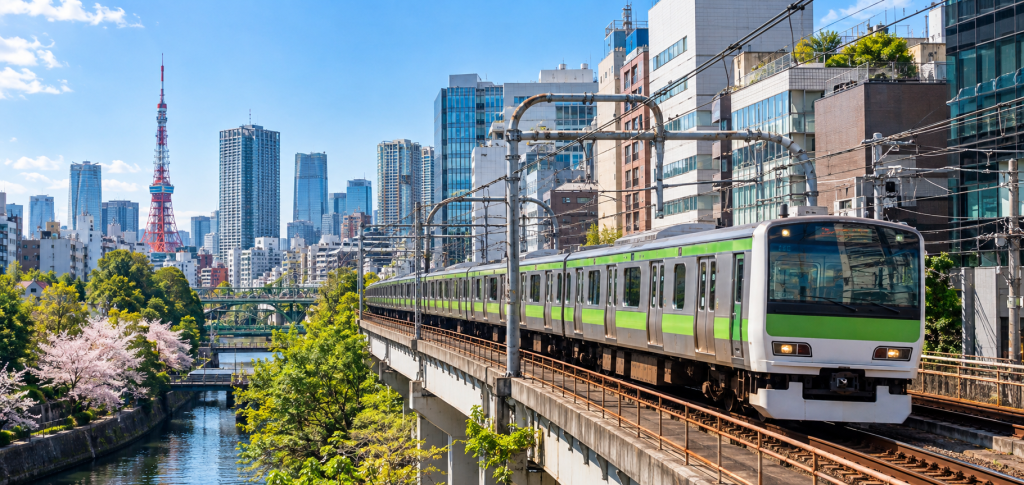
Tokyo’s train map can look a little overwhelming at first. So many lines, so many stations—and sometimes, more station exits than I know what to do with.
If it’s your first time exploring Tokyo, I’d start with the Yamanote Line. It’s the green JR line that loops through many of the city’s best-known neighbourhoods. You can visit shopping streets, museums, parks and lively food areas without changing trains.
You don’t need to ride the whole loop in one day. Just choose a few stops that sound like your kind of Tokyo.
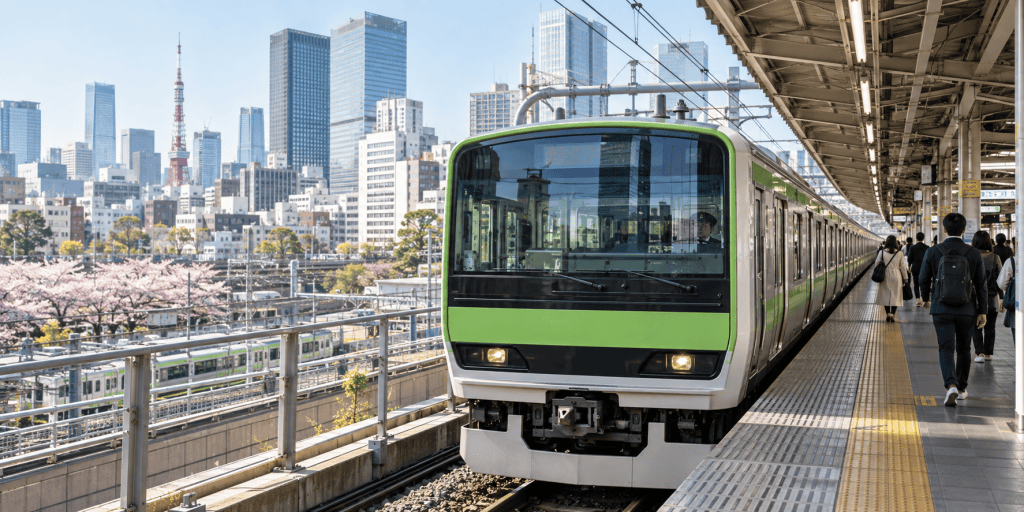
Tokyo Station: Take a look before you leave
Tokyo Station is more than a place to catch your next train. Walk out on the Marunouchi side and you’ll see its beautiful red-brick building, with modern office towers rising behind it.
If you’re travelling by shinkansen, it’s tempting to rush straight to the platform. I’d give yourself a little extra time to see the building and look around for something good to eat.
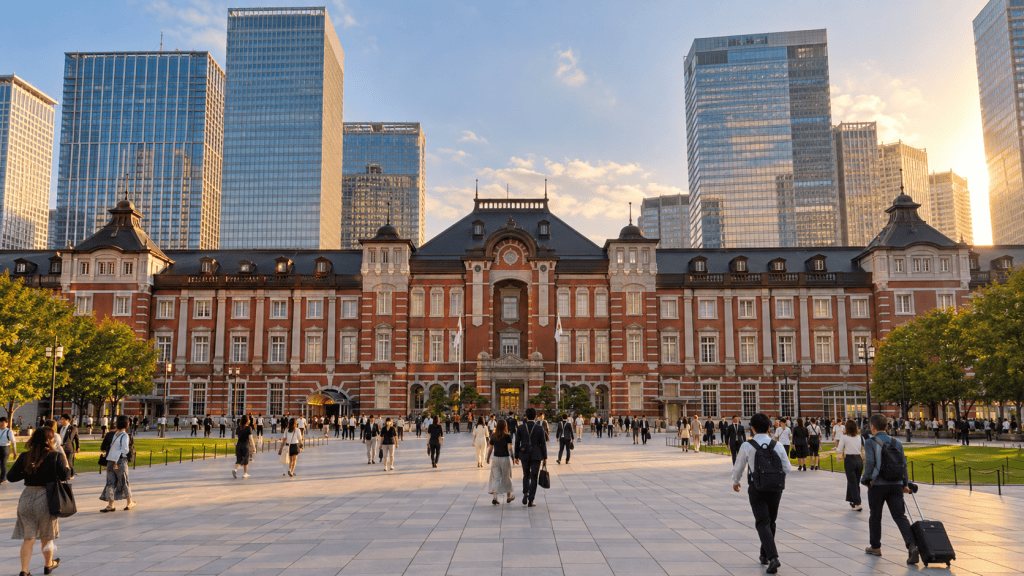
Akihabara: Anime, games and electronics
Akihabara is the stop for anime shops, games and electronics. It’s bright, busy and easy to lose track of time in. You might go into one shop for a quick look and come out much later than you planned.
Even if those aren’t usually your interests, walking around Akihabara gives you a glimpse of a side of Tokyo you won’t find anywhere else.
Ueno: Parks, museums and a change of pace
After the energy of Akihabara, Ueno feels like a nice place to slow down. Walk through Ueno Park, choose a museum or simply find somewhere to sit for a while. Ueno Zoo is here too if you’re travelling with children.
Ueno and Akihabara are close enough to enjoy on the same day, but they feel completely different. That’s one of the things I love about Tokyo.
Ikebukuro: Come ready to browse
Ikebukuro is great when you’re in the mood for shopping and entertainment. There are large shops around the station, plenty of places to eat and Sunshine City to explore.
I wouldn’t give this stop a strict timetable. It’s much nicer to wander into a shop because something caught your eye, then decide where to go next.
Shinjuku: The big-city side of Tokyo
Shinjuku is busy, colourful and full of places to eat and shop. If you’d like to see the city from above, the Tokyo Metropolitan Government Buildings are another reason to visit.
And yes, Shinjuku Station can be confusing. If you find yourself at the wrong exit, don’t worry. Check your map and give yourself a moment. I think almost everyone has had that experience here.
Harajuku: Two very different moods
This is a stop I’d recommend even if you don’t plan to shop. Takeshita Street is lively and full of colourful little stores. Nearby Meiji Jingu has a wooded approach that feels wonderfully calm after the busy streets.
I like that you can experience both on the same visit. Add Yoyogi Park if you’d like more time outdoors.
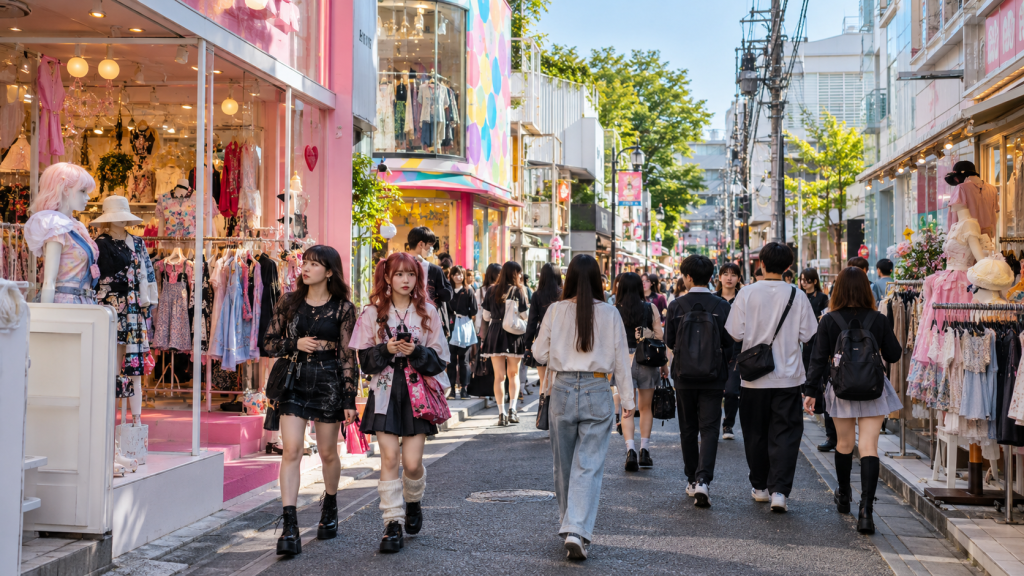
Shibuya: See the crossing, then keep walking
Shibuya Crossing is famous for a reason, and it’s fun to see it for yourself. But I wouldn’t leave as soon as you’ve crossed the road.
Stay for the shops, cafés and smaller streets around the station. If you enjoy shopping, it’s easy to spend half a day here. Harajuku is only one Yamanote Line stop away, so the two work well together.
Shinagawa: Handy for your next journey
Shinagawa might be a stop on your way out of Tokyo. You can change to a shinkansen here, which makes it useful if you’re heading farther west.
You’ll find food and shops around the station as well. Still, I mostly think of Shinagawa as the place where one part of a trip ends and the next begins.
How I’d plan a day on the Yamanote Line
I’d pick two or three neighbourhoods rather than trying to visit all eight:
- Museums and pop culture: Ueno and Akihabara
- Shopping and busy city streets: Shinjuku, Harajuku and Shibuya
- An easy first day: Tokyo Station and one neighbourhood you’re excited to see
The Yamanote Line runs in both directions. Check a route app to see which direction will get you to your stop sooner, and look up your station exit before you arrive—it can save you a surprising amount of walking.
One small but useful thing to know: Asakusa isn’t on the Yamanote Line. It’s a lovely place to visit, but you’ll need to use another train or subway line to get there.
For me, the best way to enjoy Tokyo is to leave room for an unplanned stop. Choose a few places you really want to see, get on the green train and let yourself spend a little longer wherever you feel like staying.


Leave a comment