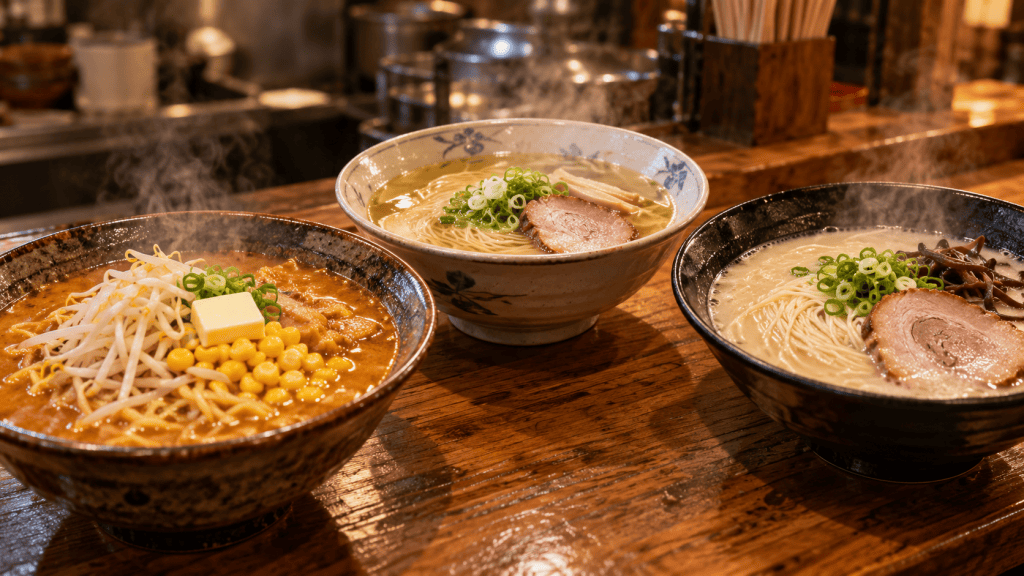
I’ve written about ramen before, but there’s one thing I could happily talk about again: the soup.
When you travel around Japan, ordering “ramen” doesn’t always mean you’ll get anything like the bowl you had in the last city. One place might serve a clear, gentle soup. Somewhere else, it’s rich with miso or so creamy you can barely see the noodles.
The noodles and toppings change too, of course. But for me, the soup is the first clue that I’m eating a local style. Here are a few regional bowls I’d look out for while travelling in Japan.
A quick word about ramen soup
You’ll often see four familiar names on ramen menus:
- Shoyu means soy sauce. The soup is often brown and savoury.
- Shio means salt. These soups are often lighter in colour, though they can still have plenty of flavour.
- Miso is fermented soybean paste. It gives the soup a deeper, fuller taste.
- Tonkotsu is pork bone broth. It’s often cloudy and creamy after the bones have been cooked for hours.
That’s a useful starting point, but it doesn’t tell you everything about a bowl. Two shoyu ramen shops can taste completely different depending on what goes into their broth. And a regional style isn’t a fixed recipe—each shop has its own way of making it.
Sapporo, Hokkaido: Rich miso ramen
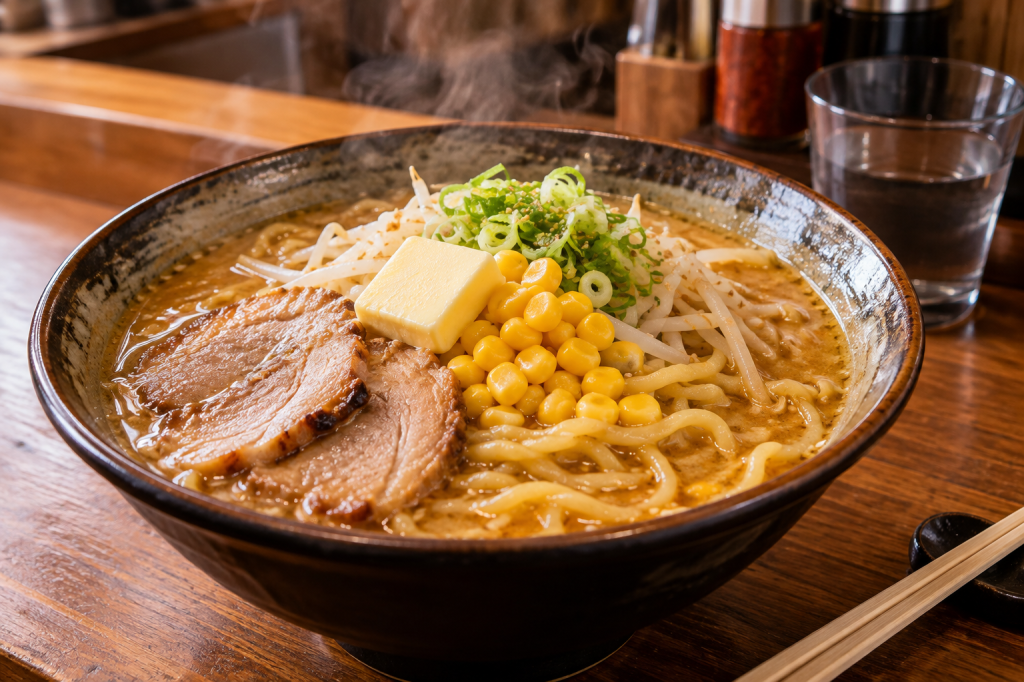
If I were visiting Sapporo in winter, a hot bowl of miso ramen would be very high on my list.
Sapporo is especially famous for a rich miso-flavoured soup, often served with thick, wavy noodles. You might see bean sprouts, corn or butter on top. It’s the sort of bowl I want to sit down with after walking outside in the cold.
Miso is the style Sapporo is best known for, although you can find other flavours there as well.
Hakodate, Hokkaido: A gentler shio soup
Stay in Hokkaido but travel to Hakodate, and the ramen can feel quite different.
Hakodate is known for shio ramen with a clear, salt-seasoned soup. It may look simple next to Sapporo’s miso ramen, but take a sip before you decide it’s light on flavour. The broth can have a lovely savoury depth.
I like the idea of trying both cities’ ramen on the same Hokkaido trip. It’s a very tasty way to see how much regional styles can change.
Kitakata, Fukushima: Shoyu soup and curly noodles
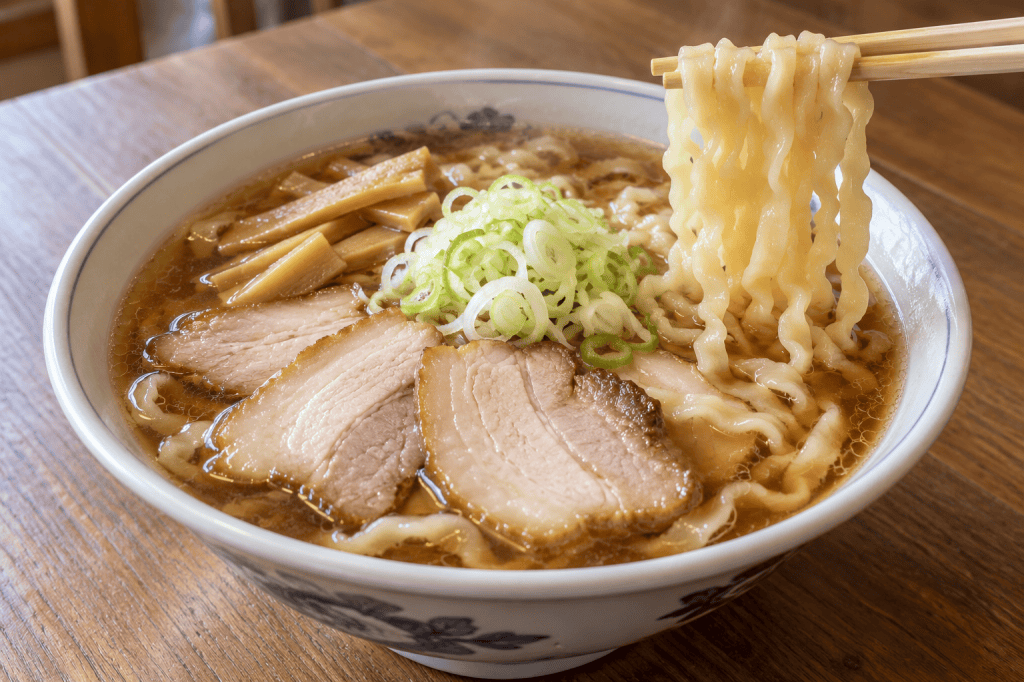
Kitakata ramen is usually associated with a soy sauce-based soup, but the noodles deserve just as much attention. They’re wide, flat and curly, with a texture that makes the bowl especially satisfying to eat.
The soup varies from shop to shop. Pork or dried fish may be used in the broth, giving it flavour without necessarily making it feel heavy.
And here’s something I find rather charming: Kitakata is also known for eating ramen in the morning. If you’re a breakfast-ramen person—or think you could become one—this is a place to try it.
Tokyo: The familiar shoyu bowl
Tokyo has every kind of ramen you can imagine today. Still, a classic Tokyo-style bowl is often built around a soy sauce-flavoured soup.
You might find sliced pork, bamboo shoots and spring onions on top. It’s a bowl that looks familiar to many ramen lovers, and that’s part of its appeal. Sometimes I’m in the mood for something surprising; other times, I just want a good, comforting bowl of shoyu ramen.
Onomichi, Hiroshima: Shoyu with a little extra richness
Onomichi ramen is another good reminder that “shoyu ramen” doesn’t describe just one taste.
Its soup often brings together chicken and fish flavours with soy sauce. Look closely and you may see little pieces of pork back fat floating on the surface. They add richness to a soup that can otherwise feel fairly light.
If you’re visiting Onomichi for its hillside streets and views of the Seto Inland Sea, I’d make time for a bowl while you’re there.
Hakata, Fukuoka: Creamy tonkotsu
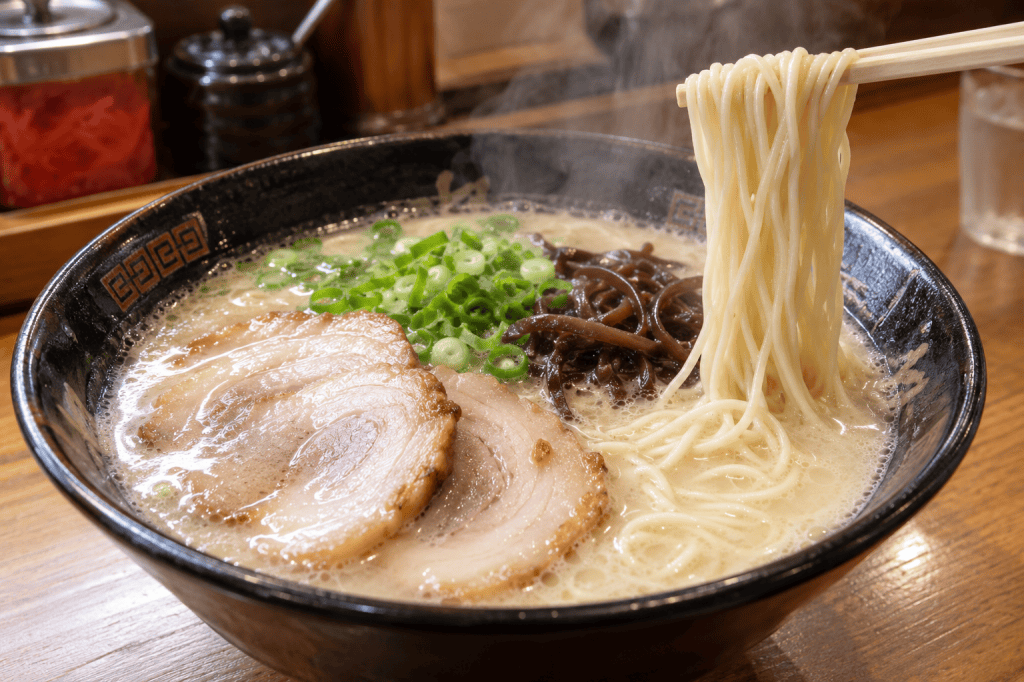
Now for a very different soup. Hakata ramen is famous for tonkotsu: a cloudy pork bone broth with a rich, creamy appearance.
It usually comes with thin, straight noodles. At many shops, you can choose how firm you’d like them. If you finish your noodles while there’s still soup in your bowl, you may be able to order kaedama—another serving of noodles.
I’d try the soup first, then decide whether you want to add anything at the table. That first sip is part of the fun.
Which one should you try?
If you like a rich bowl, I’d start with Sapporo miso or Hakata tonkotsu. If you’re in the mood for something clearer, try Hakodate shio. For soy sauce-based ramen, Tokyo, Kitakata and Onomichi each give you a different experience.
But I wouldn’t plan every bowl in advance. If you pass a small ramen shop and the smell makes you stop walking, that’s a good enough reason to go in.
The next time you travel to a different part of Japan, try its local ramen—even if you already have a favourite style. You might order something familiar, take one sip of the soup and realise it tastes nothing like the bowl you had yesterday. That’s a pretty good reason to keep trying.


Leave a comment