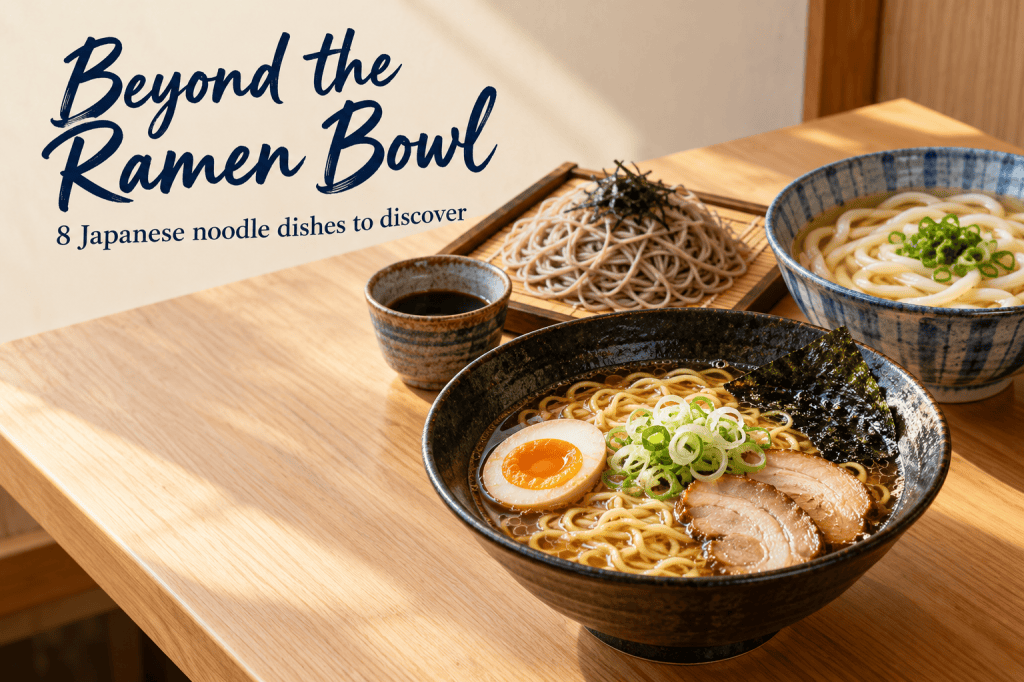
Not sure which Japanese noodles to order? Ramen is only the beginning.
Udon, soba and somen have different textures, while dishes such as tsukemen and yakisoba offer different ways to enjoy noodles.
This Japanese noodle guide introduces eight dishes to look for on your trip, including Nagoya’s flat kishimen and colourful chilled hiyashi chuka.
Some names describe the noodles themselves; others describe how they are prepared or served. You do not need to remember every detail—start with the texture and style that appeal to you.
1. Ramen: Springy Wheat Noodles in Soup
Ramen combines wheat noodles with soup and toppings. The noodles may be thin or thick, straight or wavy, depending on the shop and style.
You may see shoyu, shio and miso on menus, referring to soy sauce, salt and miso seasoning. Tonkotsu refers to pork-bone broth; these names do not all describe the same part of the recipe.
Toppings often include sliced pork, spring onions, bamboo shoots, seaweed or an egg, but each bowl is different.
Choose ramen when you want a hot noodle meal with plenty of flavour. If you prefer a lighter bowl, check the shop’s description rather than assuming every ramen soup is rich and creamy.
2. Udon: Thick Wheat Noodles
Udon is known for its thick wheat noodles. Texture varies by regional style and preparation, from soft to pleasantly firm and chewy.
A simple hot bowl may have broth and spring onions, while other versions come with tempura, curry or additional toppings. Cold udon is another option.
If you are unsure where to start, a simple bowl lets you enjoy the noodles themselves. Add a topping that appeals to you rather than feeling you need the most elaborate option.
Look for udon shops and noodle restaurants, and check the serving style before ordering: udon does not always arrive in hot soup.
3. Soba: Buckwheat Noodles, Hot or Cold
Soba noodles are made with buckwheat, often mixed with wheat. They are generally thinner than udon and offer a different flavour and texture.
For a cold version, look for zaru soba: noodles served on a draining tray, usually with a separate dipping sauce. Pick up a small portion, dip it into the sauce and eat.
Hot soba is served in a bowl of broth and can be a comforting choice on a cool day.
If you need to avoid wheat, do not assume soba is suitable just because it contains buckwheat. Check the noodles, sauce and preparation with the restaurant.
4. Somen: Very Thin Wheat Noodles
Somen is made from wheat and is much finer than typical udon.
It is especially associated with chilled summer meals, often accompanied by dipping sauce and garnishes such as spring onions or ginger. Hot preparations also exist.
For cold somen, take a manageable portion and dip it into the sauce. If the noodles are presented in water or over ice, the dipping sauce is served separately.
Somen is worth trying when you want a delicate noodle texture rather than a thick, substantial bite. Availability and presentation vary, so check seasonal menus.
5. Tsukemen: Noodles with a Separate Dipping Broth
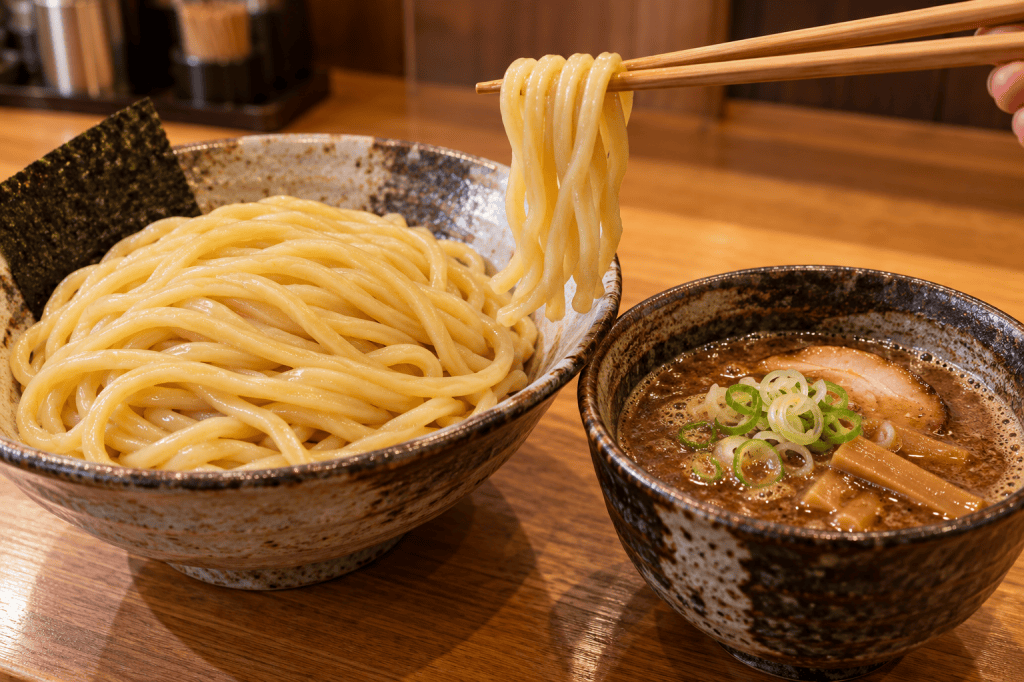
Tsukemen is a ramen-style dish served with noodles and dipping broth in separate bowls. It is a serving style, rather than a completely separate noodle ingredient.
The noodles are often thicker than those in a typical ramen bowl, and the broth can be concentrated and full of flavour.
Dip a few strands into the broth as you eat. You do not need to pour the entire broth over the noodles.
Some restaurants offer soup-wari, which dilutes the remaining dipping broth so you can drink it more comfortably. Ask whether it is available and follow the shop’s instructions.
Choose tsukemen if you enjoy noticing the texture of the noodles as much as the soup.
6. Yakisoba: Stir-Fried Noodles
Despite the name, standard yakisoba uses wheat noodles rather than buckwheat soba.
The noodles are stir-fried with ingredients such as cabbage, meat and sauce. Recipes vary, and regional versions can be quite different.
You may find yakisoba at festival stalls, casual restaurants and takeaway counters. It is a useful choice when you want noodles without a bowl of soup.
Do not assume it is vegetarian because it includes vegetables. Check the meat, sauce and other ingredients if that matters to you.
7. Kishimen: Nagoya’s Wide, Flat Noodles
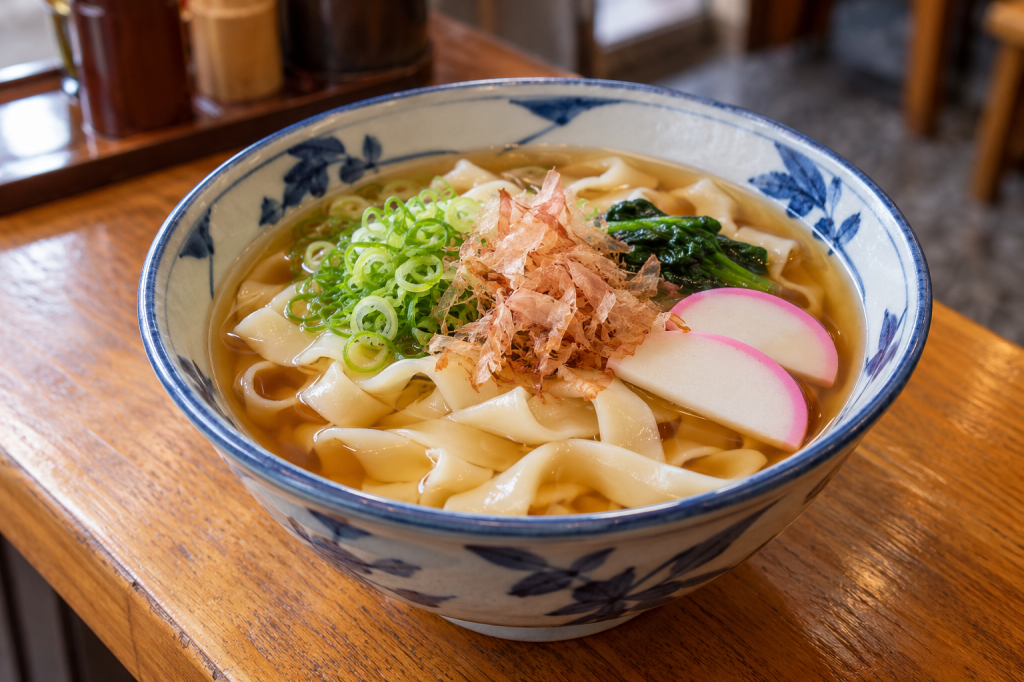
Kishimen is a broad, flat wheat noodle associated with Nagoya and the surrounding area.
Its ribbon-like shape gives it a different feel from round udon. You may encounter it in hot broth, with toppings such as spring onions, bonito flakes or fish cake, though preparations vary.
If Nagoya is on your itinerary, kishimen is a good regional dish to add to your food list. Search for a kishimen specialist or check noodle restaurant menus.
It is an appealing way to try a local speciality without ordering something completely unfamiliar.
8. Hiyashi Chuka: Chilled Noodles with Colourful Toppings
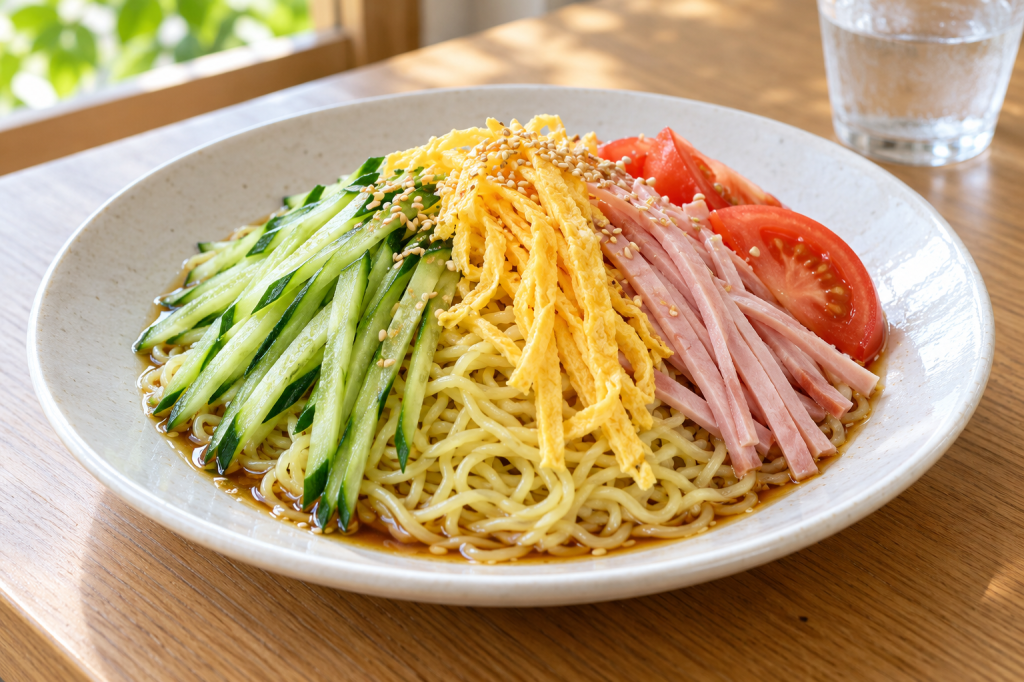
Hiyashi chuka is a chilled dish made with Chinese-style wheat noodles. It is commonly associated with summer, so you may not find it year-round.
Typical toppings include cucumber, shredded cooked egg, ham and tomato, with a dressing rather than a deep bowl of soup. Soy sauce–vinegar and sesame-based versions are among the possibilities.
Mix the dressing through the noodles and toppings as you eat.
Choose it when you want a cold noodle dish with contrasting textures. Check the actual toppings, as they differ between restaurants.
Which Japanese Noodles Should You Try First?
For a hot soup meal, start with ramen, udon or soba.
To try noodles with a separate dipping sauce or broth, consider zaru soba, cold udon or tsukemen.
For stir-fried noodles, choose yakisoba. For a seasonal chilled meal, look for somen or hiyashi chuka. In Nagoya, make room for kishimen.
These are starting points rather than strict rules. Regional styles and individual restaurants give you plenty of reasons to try the same noodle dish more than once.
A Few Things to Check Before Ordering
Check whether the dish is hot or cold, whether the sauce is served separately and which toppings are included.
Broth and dipping sauce may contain fish or meat even when the visible toppings are vegetables. For dietary requirements or allergies, ask about the whole dish rather than judging by its appearance.
A menu photo can help you understand the serving style, but the description is useful too.
If you enjoy exploring noodles outside restaurants, you might also like my six Japanese cup noodles I recommend trying.
There is no need to find your favourite straight away. Try a comforting hot bowl one day and a dipping noodle dish another. The differences are part of the fun.


Leave a Reply